

Product groups we trade:
- Polyethylene (PE)
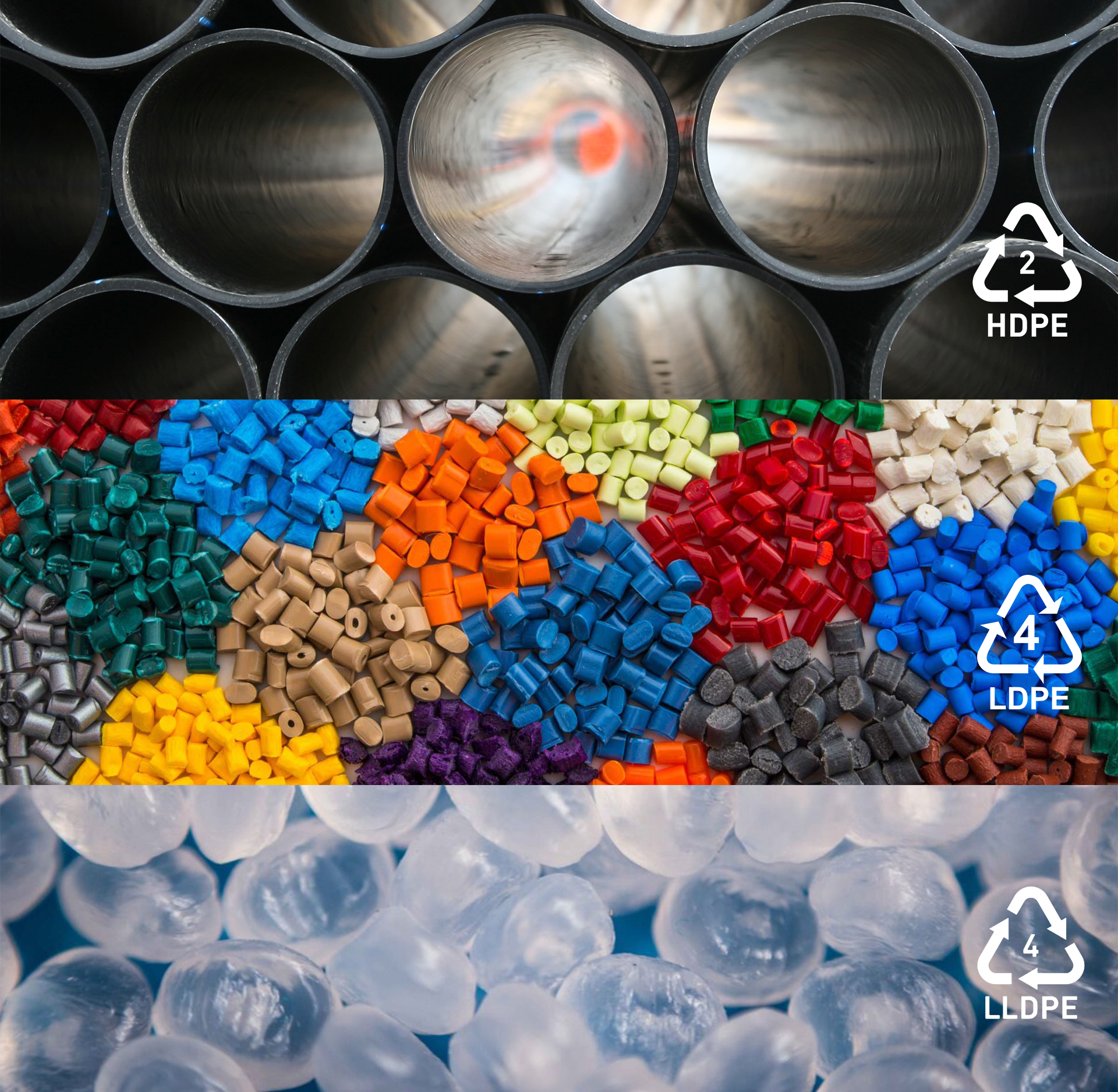
HDPE – High Density Polyethylene
LDPE – Low Density Polyethylene
LLDPE – Linear Low Density Polyethylene
- Polypropylene (PP)
BOPP – Bidirectional Stretched PP
Polyvinyl Chloride (PVC)
Supplied from Turkmenistan, Uzbekistan & Russia
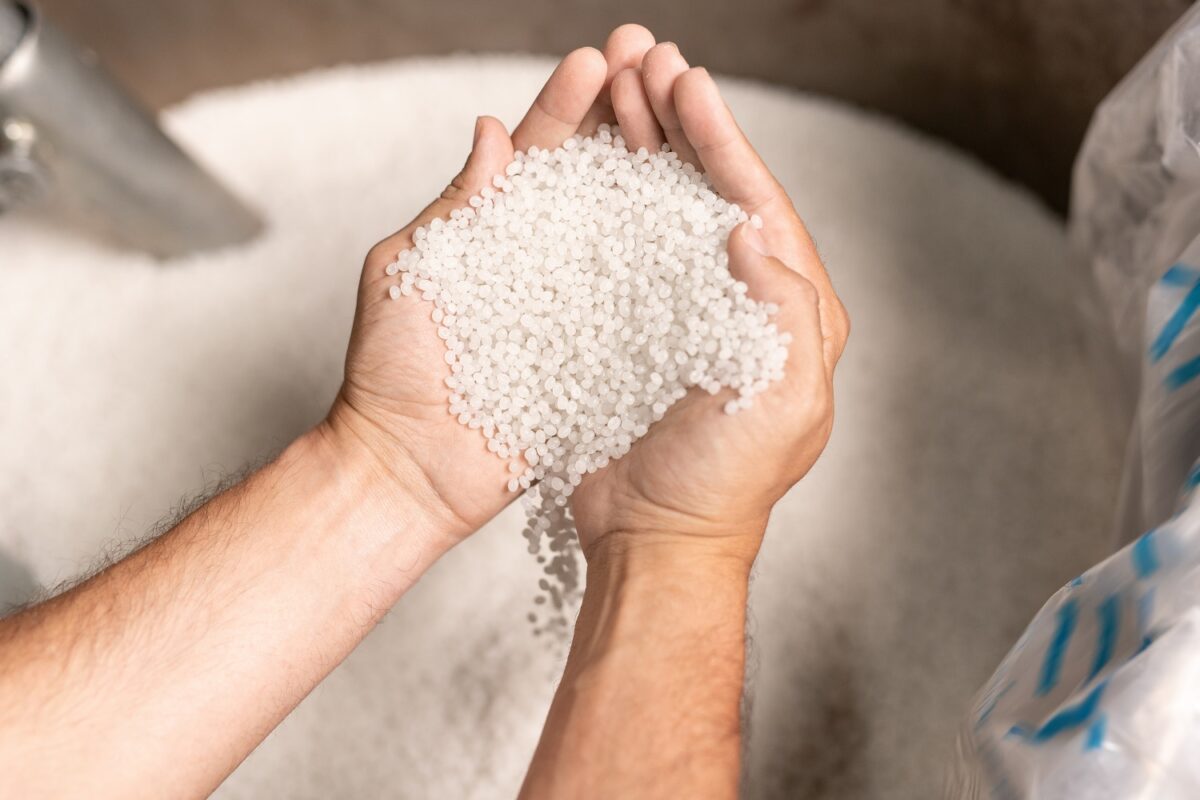
Import of HDPE-A4009 Technical Spec Polyethylene from Turkmenistan in 25 kg PP bags.
Polyethylene (PP)
A Polymer Of Ethylene, especially any of various lightweight thermoplastics that are resistant to chemicals and moisture, have good insulating properties, and are used especially in packaging and insulation. It is also used in manufacturing trash bags, milk jugs, shampoo bottles, water coolers and cable coating, among other things.
High-density polyethylene (HDPE)
A Plastic Used In The Manufacture Of Plastic Items, such as plastic pipe, grocery bags, water coolers and milk bottles.
Low-density polyethylene (LDPE)
A Plastic That Is Used Predominantly In Film Applications Due To Its Toughness, flexibility and relative transparency. Typically, LDPE is used to manufacture flexible films such as those used for plastic retail bags and garment dry cleaning and grocery bags. LDPE is also used to manufacture some flexible lids and bottles, and it is widely used in wire and cable applications for its stable electrical properties and processing characteristics.
Linear low-density polyethylene (LLDPE)
A Plastic That Is Used Predominantly In Film Applications, but can also be used in cable covering, toys, lids, buckets and containers, and pipes. It has higher tensile strength and exhibits higher impact and puncture resistance than LDPE. Lower thickness (gauge) films can be blown compared to LDPE, with better environmental stress cracking resistance, but it has lower gloss than LDPE and a narrower temperature range for heat sealing and is not as easy to process as LDPE.
Polypropylene (PP)
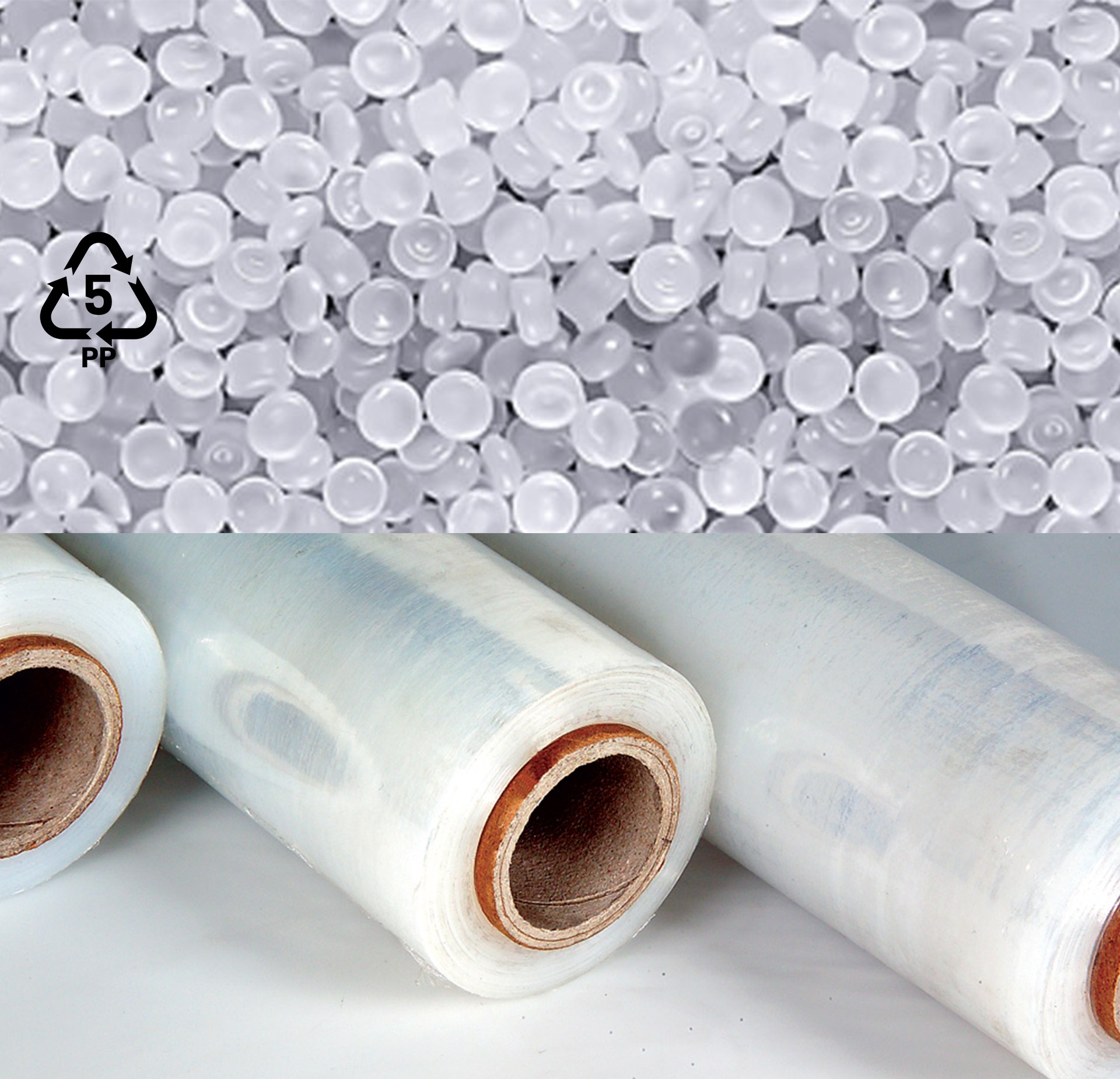
A Basic Plastic Formed By Joining Propylene Molecules Together. Polypropylene can be made into fibres, where it is a major constituent in fabrics for home furnishings such as upholstery and carpets. Numerous industrial end uses include rope and cordage, disposable non-woven fabrics for diapers and medical applications. As a plastic, polypropylene is moulded into bottles for foods and personal care products, appliance housings, dishwasher-proof food containers, toys, automobile battery casings, and outdoor furniture.
BOPP (Bi-axially Oriented PP)
Polypropylene For Manufacturing BOPP Film which as a result of its orienting process has the intrinsic characteristics such as its barrier against water, vapour, grease and gases, stiffness, stability, and strength. After two orienting phases the surface treatment process to which BOPP film is subjected assures the receptivity of this surface to inks, adhesives and other substances. Typical applications include: packaging for food, wrapping for cigarettes, flowers, lamination for books and magazines, office stationary films, shrink wrap and shrink labels, industrial laminates, support for adhesive tapes, films for metallization – gift wrapping and opaque films.
Polyvinyl chloride (PVC)
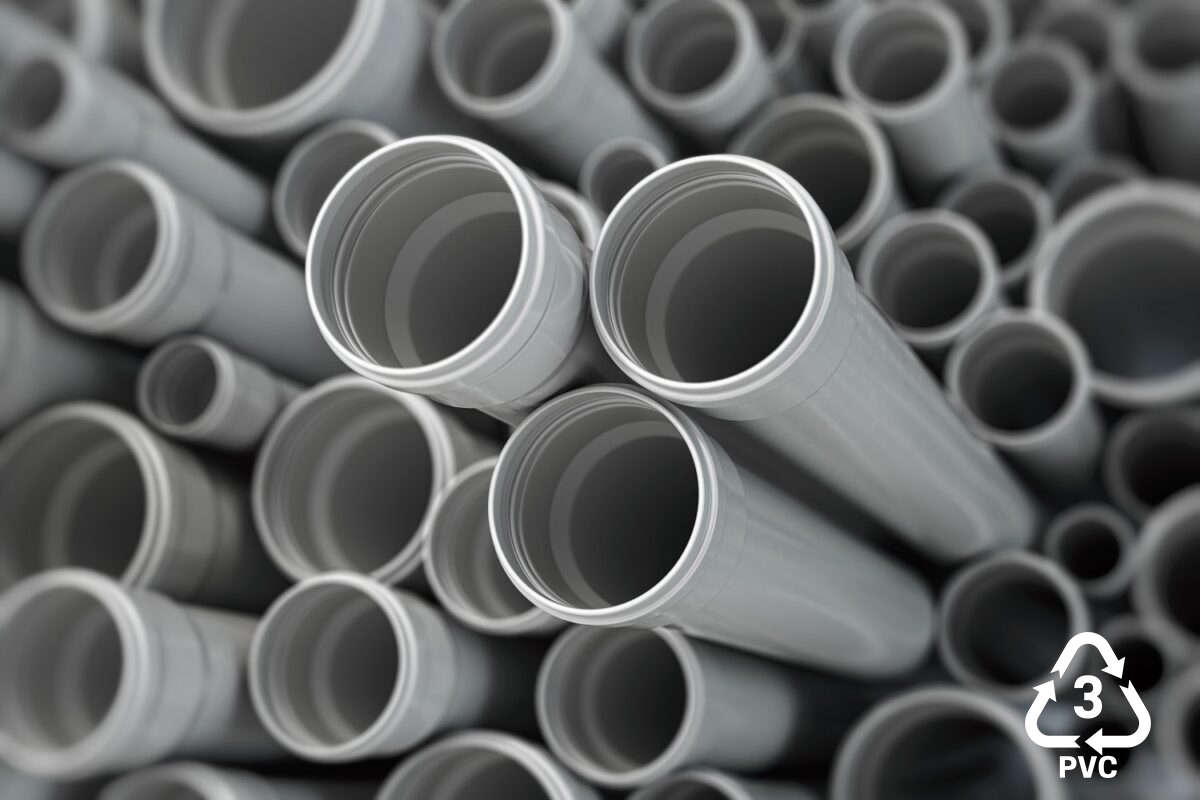
A Polymer Of Vinyl Chloride Used To Make A Diverse Range Of Cost-Effective Products with various levels of technical performance suited to a wide range of applications.
PVC products include everything from medical devices such as medical tubing and blood bags, to footwear, electrical cables; packaging, stationery, profiles and toys.